


The Population Council is pleased to announce that Dr. Laura Bernardi and Dr. Tiziana Leone have been selected as the new co-editors of Population and Development Review (PDR).
Together, Dr. Bernardi and Dr. Leone bring wide-ranging expertise across demography, sociology, development, and global health. Their work reflects the breadth of questions at the heart of PDR: how population dynamics intersect with families, fertility, health, economics, migration, the environment, and more.
From the New Editors: The PDR Research That Shaped Their Thinking
To mark their appointments, Drs. Bernardi and Leone reflected on the PDR scholarship they turn to in their research, teaching, and conversations with colleagues.
Laura Bernardi
- The PDR paper I assign most often to students: The Gender Revolution: A Framework for Understanding Changing Family and Demographic Behavior by Goldscheider, F., Bernhardt, E., and Lappegård, T. (2015)
- A PDR paper that has influenced my own work: Gender Equity in Theories of Fertility Transition by McDonald, P. (2004)
- The PDR paper I’ve shared most with colleagues recently: How Political Events Become Demographic: Toward a Cumulative Demography of Conflict and Violence by Ebbinghaus, M., Andriano, L., and Heuveline, P. (2026)
- The PDR paper that most changed my thinking on a particular topic: Reproductive Mishaps and Western Contraception: An African Challenge to Fertility Theory by Bledsoe, C., Banja, F., and Hill, A. G. (1998)
Tiziana Leone
- The PDR paper I assign most often to students: The Effect on Fertility of the 2003–2011 War in Iraq by Cetorelli, V. (2014)
- A PDR paper that has influenced my own work: Two in particular: 1) On Kinship Structure, Female Autonomy, and Demographic Behavior in India by Dyson, T., and Moore, M. (1983) and 2) Brazil’s Fertility Decline, 1965–95: A Fresh Look at Key Factors by Martine, G. (1996).
- The PDR paper I’ve shared most with colleagues recently: Measuring the Impact of Armed Conflict on Population Health: A Guide for Researchers by Luetke, M., Svallfors, S., and Boyle, E. H. (2026)
- The PDR paper that most shaped my thinking on a particular topic: Gender and Family Systems in the Fertility Transition by Mason, K. O. (2001)
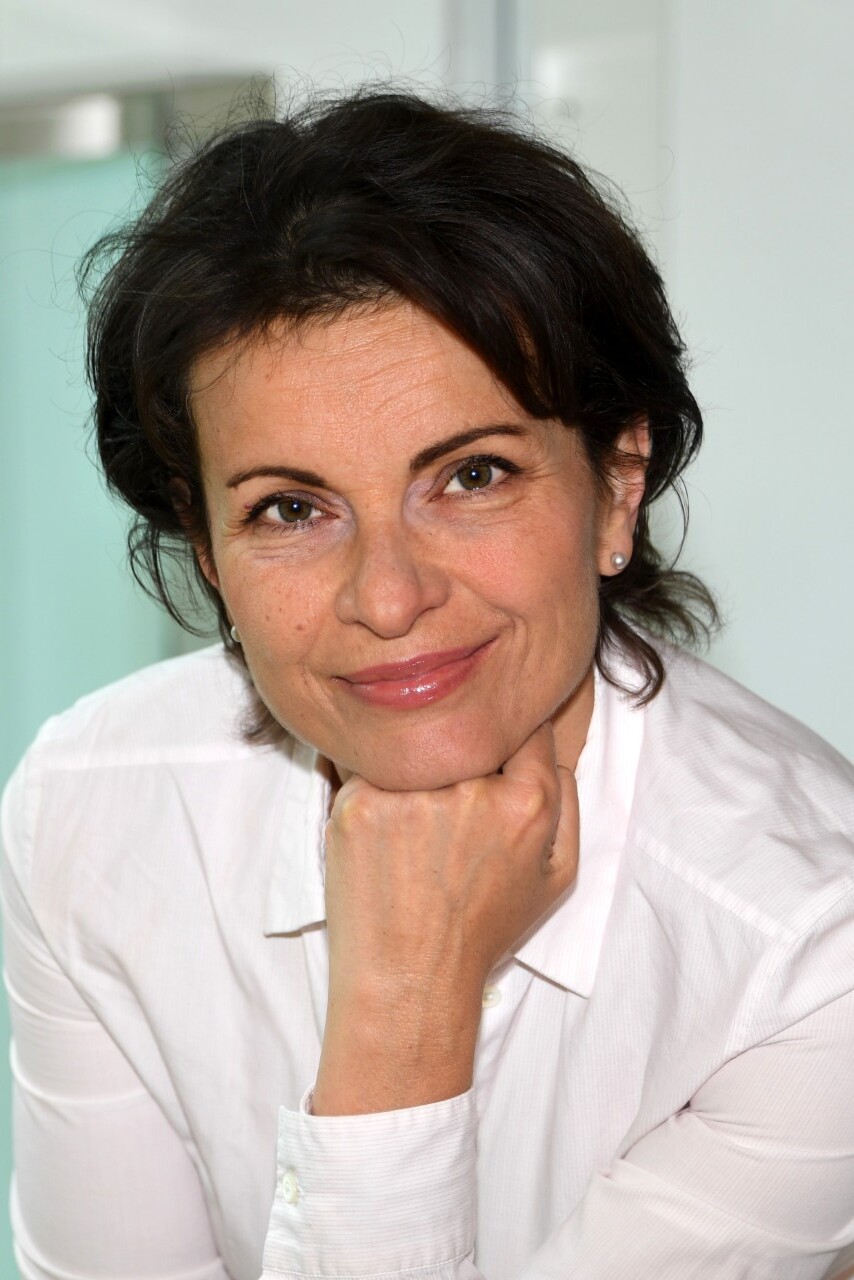
About Laura Bernardi
Dr. Laura Bernardi is Full Professor of Demography and Life Course Sociology at the University of Lausanne and Vice-President of the Research Council of the Swiss National Science Foundation. She holds a PhD in Demography from the University of Rome La Sapienza, completed in co-supervision with the Max Planck Institute for Demographic Research. Her research encompasses family diversity, fertility dynamics, migration, and the interdependencies of life course transitions.
Dr. Bernardi’s work has advanced understanding of the cultural determinants of fertility and family behavior and of social influence on family transitions. She is particularly interested in the connections among family, work, migration, and health across the life course. She also contributed to the theoretical and methodological development of life course studies, for which she was awarded the Howard Goldstein Award by the Society for Longitudinal and Life Course Studies.
Dr. Bernardi was a Mellon postdoctoral grantee at Brown University’s Population Studies and Training Center, before leading an Independent Research Group at the Max Planck Institute for Demographic Research and serving as Professor for Demographic Change at the University of Rostock. She brings extensive editorial experience to PDR, having served as co-editor-in-chief of Advances in Life Course Research, book review editor of the European Journal of Population, and co-editor of Springer’s Life Course Research and Social Policies series.
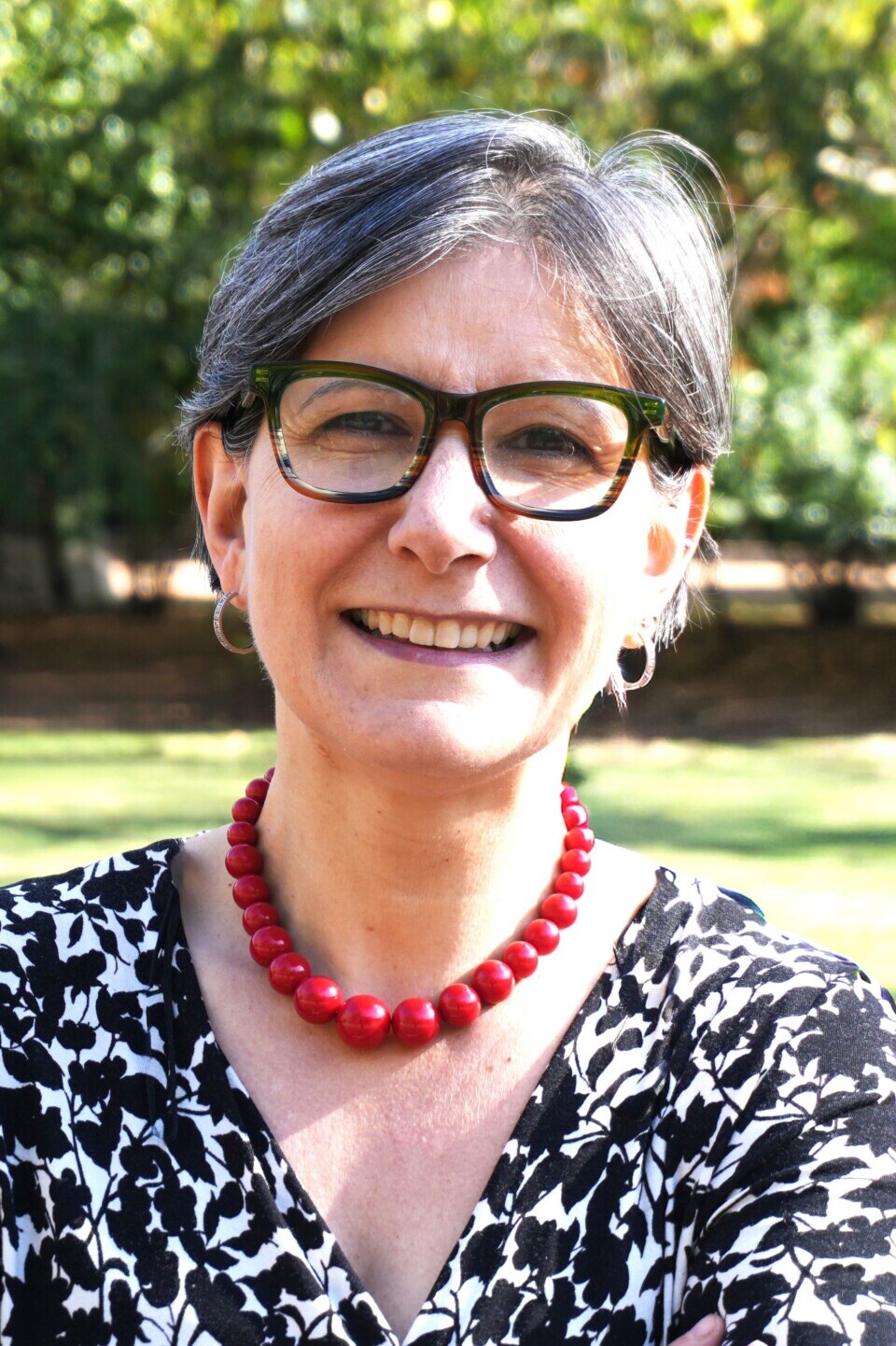
About Tiziana Leone
Dr. Tiziana Leone is Professor in Health and International Development and Director of the Middle East Centre at the London School of Economics and Political Science. She holds a PhD in Demography from the University of Southampton. Her research combines demography, development, and global health to examine women’s aging through the lens of reproductive histories.
Dr. Leone’s work traces how reproductive experiences across the life course shape women’s health later in life and how conflict and disasters can compound these effects. She is particularly interested in experimenting with traditional and innovative methods to make the most of limited data, including to construct longitudinal histories. Her methods range from pathway and longitudinal analysis to quasi-experimental and mixed methods approaches, frequently across international collaborations in Africa, Asia, and Latin America.
A social statistician by training, Dr. Leone previously worked at the United Nations Statistics Division, coordinating census and civil registration work across low-income countries. She has advised WHO, UNFPA, and UNICEF on the measurement of maternal and child health. Dr. Leone brings significant editorial experience to PDR as an associate editor for the Journal of the Royal Statistical Society, PLOS One, and Genus: Journal of Population Sciences.
***
The search for new editors was announced in an open call, to ensure a broad and diverse pool of candidates. Dr. Bernardi and Dr. Leone’s term will begin on January 1, 2027. They will succeed Dr. Raya Muttarak and Dr. Joshua Wilde who have served as PDR co-editors since 2022.
Founded by the Population Council in 1975, PDR advances research and dialogue on the relationships between population and social, economic, and environmental change. PDR is currently ranked #1 in Demography by Impact Factor. Published by Wiley on behalf of the Council, the journal reaches a global audience of researchers, policymakers, and practitioners.