The Issue
Despite global efforts to reduce the number of new HIV infections to 500,000 by 2020, an estimated 1.3 million people became newly infected with HIV in 2024. In Sub-Saharan Africa, adolescent girls and young women are disproportionately impacted by HIV and are more than 3 times as likely to acquire HIV than their male peers. Women also face the risk of unintended pregnancy. Nearly half of all pregnancies, 121 million each year, are unintended. As a result, 60% of unintended pregnancies end in abortion, 45% of which are unsafe, which contributes to between 5 and 13% of all maternal deaths.
The overlapping global burdens of unintended pregnancy and HIV highlight the need for contraceptive multipurpose prevention technologies that can also prevent HIV. Data indicate that women prefer, and are more likely to use, a multipurpose prevention technology that prevents pregnancy and HIV over one that prevents only pregnancy or HIV, yet condoms are the only approved multipurpose prevention technology.
The Progress
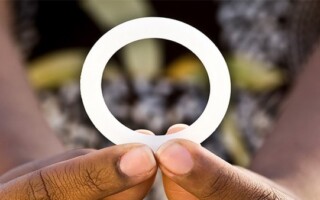
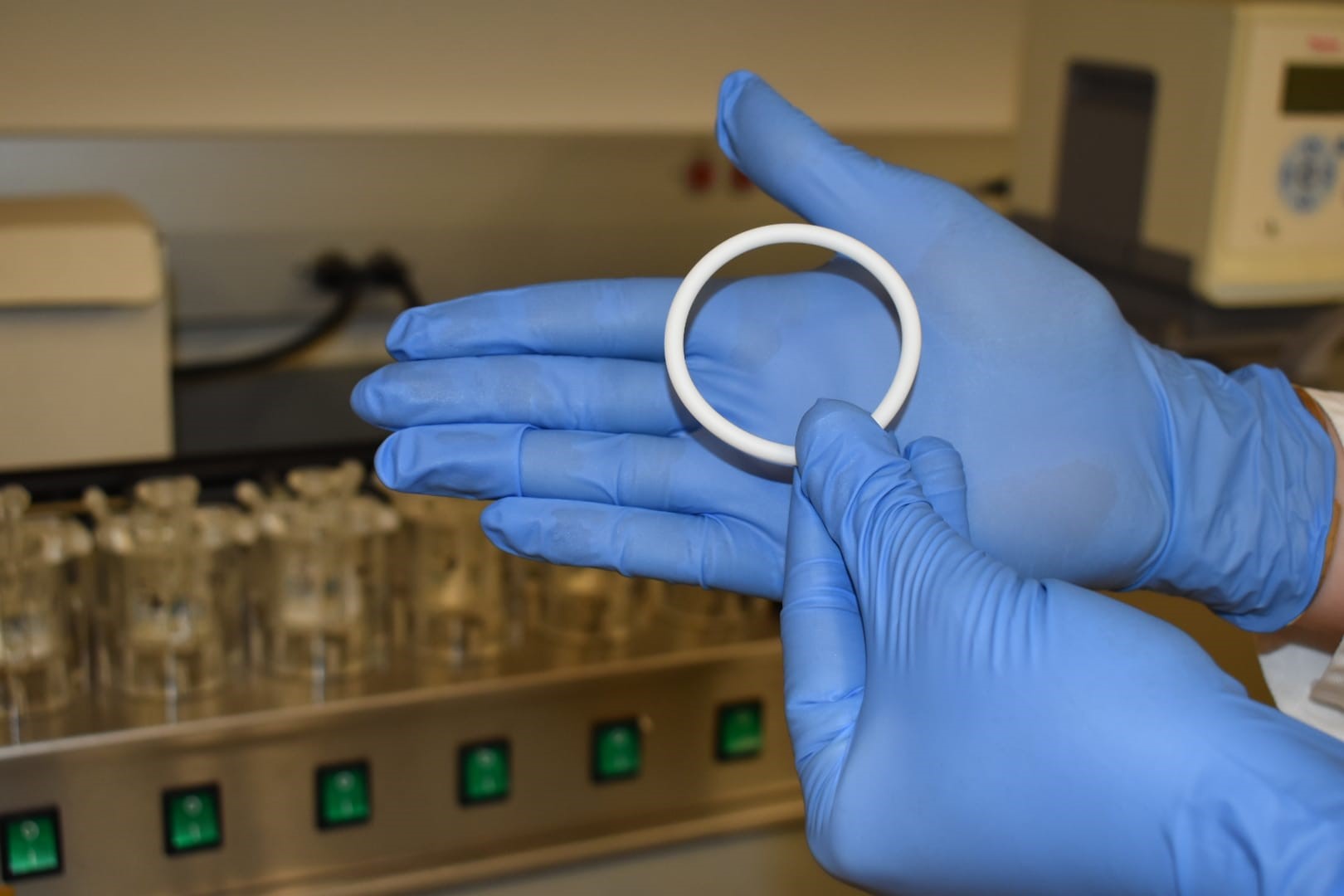
Building on the successful development of the one-month dapivirine vaginal ring for HIV prevention, which received a positive opinion from the European Medicines Agency in 2020, the Council is developing a dual purpose dapivirine vaginal ring with levonorgestrel for contraceptive protection. This ring is an ethylene vinyl acetate core-sheath vaginal ring designed to slowly release the antiretroviral drug dapivirine and the contraceptive hormone levonorgestrel. Women would insert the ring themselves into the vagina and replace it every three months, offering them a user-controlled, long-acting dual prevention option.
Two Phase I trials demonstrated no safety concerns and above-target plasma levels with the dapivirine-levonorgestrel combination. A Phase Ib trial (IPM056/CCN019B), supported by the National Institute of Child Health and Human Development, was recently completed. The study evaluated the safety and bleeding patterns of two ring formulations which differed in levonorgestrel release targets. The study found both formulations to have strong safety profiles. Based on a superior levonorgestrel release and more consistent bleeding profile, one ring was selected for advancement to the next phase of development. Moving forward, the Council will conduct a relative bioavailability study to demonstrate non-inferiority compared to existing dapivirine products.
The Impact
New products are urgently needed to address women’s dual risks of unintended pregnancy and HIV. The three-month dapivirine-levonorgestrel vaginal ring could be first-in-class for HIV risk reduction and contraception and is the multipurpose prevention product that is farthest along in the development pathway. The dapivirine-levonorgestrel ring is a natural extension of the dapivirine vaginal ring with a relatively short pathway to regulatory approval. If approved, the dapivirine-levonorgestrel vaginal ring could reduce new HIV infections among women in sub-Saharan Africa and would expand choice for women at risk of unintended pregnancy and HIV.