In 2024, Co-Presidents Pat Vaughan and Jim Sailer launched an Innovation Initiative to foster the Council’s commitment to innovation to improve health and well-being. As part of the initiative, all Council staff were invited to submit their bold and transformative ideas about new research areas, technologies, methodologies, systems, or other topics to strengthen the Council’s work.
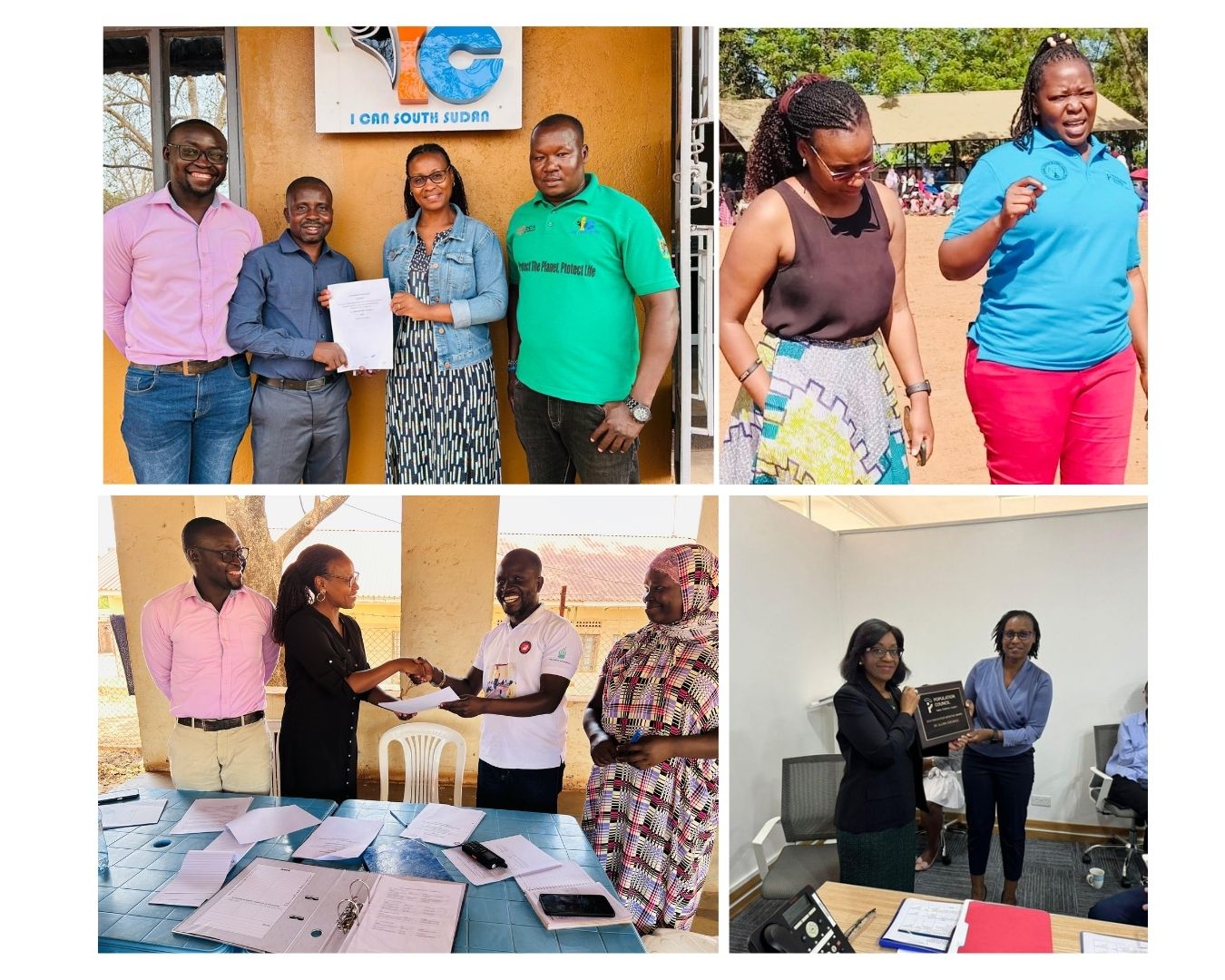
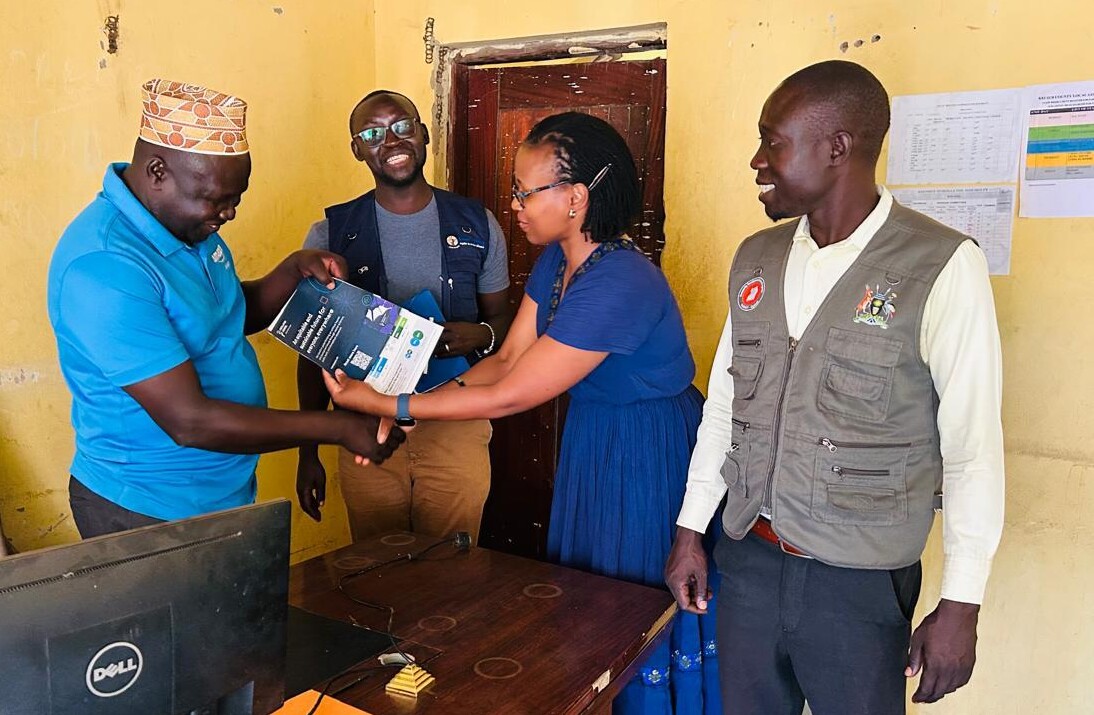
Gloria Seruwagi, a research uptake manager for the Council’s Baobab Research Programme Consortium (RPC), was awarded for her proposal: Strengthening and Consolidating impact in Applied research, Learning and stakeholder Engagement (SCALE). SCALE sought to complement and enhance existing Council approaches to research uptake and impact by embedding individual, household, community, and sub-national engagement within Council research methodology. It also aimed to support researcher-community partnerships grounded in co-production of knowledge and co-designing solutions to research findings.
In this video, Gloria and Baobab partners share how SCALE was implemented as part of the Council’s research in humanitarian settings.
Read more on Gloria’s research in the Q&A below.
Congratulations on your work with the Innovation Initiative, Gloria! What was the gap SCALE aimed to address?
I thought the Council’s impact on research uptake and stakeholder engagement could be expanded by having a greater focus on “downstream” stakeholders—meaning the individual, household, community, and sub-national stakeholders. As you can see from the SCALE acronym, the idea was to strengthen existing impact—partly through engaging these additional stakeholders to complement the national and global stakeholders who are most often part of the research uptake process.
Why is it important to engage “downstream” stakeholders in this part of the research cycle?
Because they are often not optimally engaged in research uptake—or even engaged at all. Tapping into and leveraging partnerships—at the individual, household, community, and sub-national levels—has potential to further amplify our research and significantly contribute to how it’s used.
The SCALE idea aimed to do three things:
- Strengthen Council-wide evidence generation and utilization by leveraging downstream stakeholder engagement and involvement.
- Prioritize building capacity within the community to co-produce knowledge and co-design solutions to ensure research findings are put in context.
- Catalyze local ownership and action, as well as integrate research findings into routine community work.
Since you’ve started the program, how has SCALE accelerated or improved the Council’s work and systems?
I believe SCALE has been transformative in building deeper and more sustainable impact of our research. Some of these positive changes have been instant; for example, raising awareness and co-producing contextually relevant and locally driven solutions.
SCALE has also promoted partnership and local ownership of research findings. We have been able to harness and leverage latent resources and allies at the community level and other downstream levels, including media and leadership structures, to drive change beyond the research cycle.
It has also contributed to improving the quality and value of our research and widened the Council’s reach and visibility, particularly in communities where we previously had limited presence. SCALE demonstrates the Council’s inclusion and respect for a minority group of actors in the research process, which are the research participants themselves.
What do you see as the lasting effects of this program?
Before joining the Baobab RPC I was a fulltime academic at a university doing everything related to that—teaching, leading and supporting research teams, and mentoring the next generation of researchers. From those experiences, I saw how valuable research dissemination and meaningful community participation and engagement could be for the useability of research findings—if done with intention.
On Baobab, I’m not doing mainstream research work but leading its uptake strand. This gives me dedicated time to apply lessons on how to effectively engage both upstream and downstream stakeholders, and we’ve had so much success in getting our evidence to inform policy and practice.
Testing SCALE with Baobab data and field experiences allowed us to see both instant and sustainable change arising from the Council’s research processes and outputs which have been co-designed with the community. We forged new partnerships and witnessed research-informed transformation in real time on critical issues like unintended pregnancy and violence against children in refugee settings.
Most of this transformation was locally-led, with us as researchers only offering support as required. In the SCALE implementation sites, we continue to witness stronger community cohesion and ongoing bottom-up consultative processes that foster accountability in the research process and ultimately improve health outcomes. It is humbling to have been a part of this process, and I hope other research teams can apply some of these lessons to achieve lasting impact of their research.